How to survive Rust as a solo builder against a 200-player hunter horde
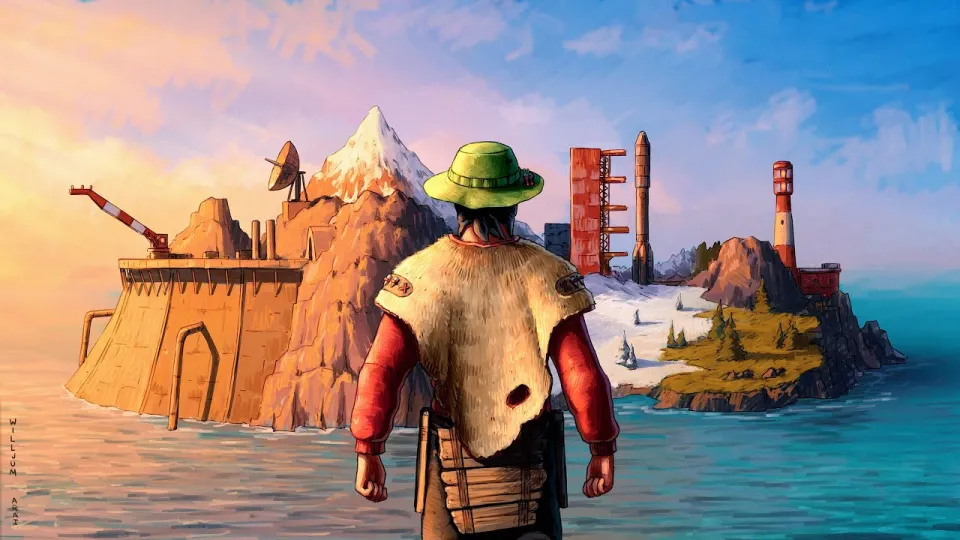
Video: When a Solo Rust builder Vs 200 Hunters...
You can order the same kind of articles for your own video to boost it on YouTube and Google. Just message the Telegram bot @sat_sit_bot. Articles with your video embedded are written and posted by the bot itself — on popular topical sites (no ads). Free trial — 50 articles.
· based on the channel Willjum
A solo Rust builder survives a 200-hunter event by treating the wipe as a logistics problem rather than a fighting one: gather fast, build small and layered, keep the core hidden, and accept that the base will be found. Willjum's solo-versus-horde run shows the whole loop compressed into one session, and the lessons transfer directly to ordinary solo wipes where the hunters are just a bigger, louder clan. If you want to support more experiments like this one, the creator's Patreon page is where the behind-the-scenes and bonus material lives.
What the solo builder versus 200 hunters format actually is
A single player starts from nothing on a server where a large crowd of hunters is actively looking for him, and the goal is to build, upgrade and hold a base while being hunted. The scale is the point: roughly 200 hunters against one builder means the solo player cannot win a straight fight and cannot clear the map, so every decision has to reduce the number of angles an attacker can use. In a normal Rust wipe a solo player faces maybe a handful of roaming groups; here the pressure is constant, and the base becomes the only real weapon.
The format also changes what counts as success. Killing a hunter means nothing because another one is already running toward the gunfire, while losing a single furnace, workbench or set of doors costs hours of progress. That asymmetry is why the run reads as a building and hiding story rather than a PvP highlight reel.
Step 1: win the first hour before anyone finds you
The opening hour decides how long the base survives, because a solo builder who is still on a bow when the first raiders arrive has already lost the wipe. Prioritise in this order:
- Secure a sleeping bag and a small stash far from the starter beach traffic.
- Push straight to a workbench level one and metal tools; stone and wood income doubles immediately.
- Bank a furnace and enough low-grade fuel to keep it running while you are away from base.
- Craft a handful of doors and locks before you craft a single gun.
- Scout two or three candidate base spots and pick the one with the fewest sightlines, not the prettiest view.
On a hunter-heavy server, noise discipline matters as much as speed. Every gunshot is a map marker for a crowd that is already searching, so melee farming, quiet smelting and short trips beat loud, efficient routes.
Step 2: design a base that punishes a 200-player search party
A solo base in Rust survives by being annoying to raid, not by being large. The practical rules that carry over from this event:
- Keep the loot core small and central, surrounded by at least two layers of honeycomb on every side, including the roof.
- Build upward in a compact footprint rather than outward; a tall, narrow base has fewer accessible walls than a wide compound.
- Use false doors, empty rooms and decoy loot rooms so a raiding party burns explosives on nothing.
- Separate the workbench, furnace and storage into different compartments so one breach does not end the wipe.
- Place tool cupboards so that a raider who blows a door still cannot instantly seal the area, and keep a second cupboard as a backup.
Against a horde, the goal of the design is time. Every extra wall the hunters must break is time the builder spends crafting, upgrading or moving loot to a fallback stash. A base that takes twenty minutes to crack is a base that survived the event.
Step 3: turn strangers into a supply line
One of the most memorable parts of the run is that other players can help the solo builder, delivering gear, rope and materials instead of raiding. In a normal wipe this is rare, but the principle is worth copying: a solo player who is friendly to neighbours gets free deliveries, information about roaming groups and occasionally a warning before a raid.
Practical ways to build that network:
- Trade small gifts — spare metal fragments, a stack of low-grade — with players who live nearby.
- Keep a public-facing drop box or a small shop front so visitors have a reason to approach without shooting.
- Never raid a neighbour you might need later; the map is small and reputations travel faster than horses.
- Accept that some deliveries are bait, and never open a door for a stranger while your core is exposed.
Step 4: manage the mental load of permanent pressure
Being hunted for hours is a stamina test, and the run shows how quickly a solo player burns out when every trip outside the base is a potential fight. The habits that keep a long session productive:
- Set small goals per trip — one furnace run, one loot run, one upgrade — instead of a vague plan to get strong.
- Keep a fallback stash with a sleeping bag, tools and a kit, so one death does not reset the wipe.
- Farm in short bursts and bank resources immediately; carrying an hour of farming in your inventory is an invitation.
- Log off or rotate to a quiet corner when the server gets too hot rather than feeding kills to the hunters.
Common questions about solo building under pressure
Most doubts around this format come down to whether preparation or improvisation matters more. In practice, the first four hours of preparation decide the outcome, and improvisation only covers the gaps. A solo builder who arrives at the raid window with a stone core, two layers of honeycomb, spare doors and a stocked fallback stash can absorb a lot of hunters; one who is still expanding a wooden shell cannot.
The second recurring question is whether a bigger base helps. It does not, because a large footprint gives raiders more walls to choose from and more rooms to search. Compact, layered and boring beats impressive every time. The third is whether to fight back: against a crowd, fighting is a delay tactic at best, so trade only when a hunter is alone and the kill buys you a window to move loot.
Useful links
- Willjum on Patreon — support the channel and get bonus content.
- Willjum on Twitch — live Rust sessions.
- Willjum on Twitter — schedule and updates.
- Creative Commons Attribution 4.0 — licence referenced for the music used in the video.
The takeaway for your next solo wipe
The solo builder versus 200 hunters run is a stress test of the same skills every solo Rust player needs: fast early progression, a small honeycombed core, quiet farming and a fallback plan for the moment the base falls. Nothing in the format requires special mechanics — only discipline about what to build and when to stop fighting. Willjum's channel is the place to see how far that discipline stretches when the whole server is hunting one player, and the Patreon page is the direct way to back more runs like it.
Key takeaways
- Willjum's event pits one solo builder against roughly 200 hunters on a dedicated server.
- The solo run starts from a fresh spawn, so every tool, kit and wall comes from gathered resources.
- Friendly players can deliver gear and rope mid-event, turning strangers into a supply line.
- Base layout matters more than size: honeycomb, false doors and a compact core buy time.
- The format works because death is cheap for hunters and expensive for the builder.
Questions & answers
Can a solo player actually survive a 200-player hunter event in Rust?
Survival means keeping a base and a kit alive for the duration, not winning fights. A compact, honeycombed core, quiet farming and a fallback stash let a solo builder outlast a crowd that has to find him first. Most deaths come from loud resource runs, not from the raid itself.
Is a bigger base better when a large group is hunting you?
No. A large footprint gives raiders more walls to pick and more rooms to search, while a tall compact base with two honeycomb layers forces them through a predictable path. Decoy rooms and false doors waste their explosives and buy the time you need to move loot.
How should a solo player use friendly neighbours during a wipe?
Treat them as a supply line and an early-warning system. Small trades, a public shop front and a no-raid policy toward neighbours often turn into free deliveries of gear and materials, but never open your core to a stranger while your loot is exposed.
What should a solo builder prioritise in the first hour?
Bag, workbench level one, metal tools, a furnace and doors before any gun. Banking resources early and picking a low-visibility base spot matters more than a fast start, because the first raiders usually arrive before a solo player is fully armed.
Source: When a Solo Rust builder Vs 200 Hunters... · Markdown version